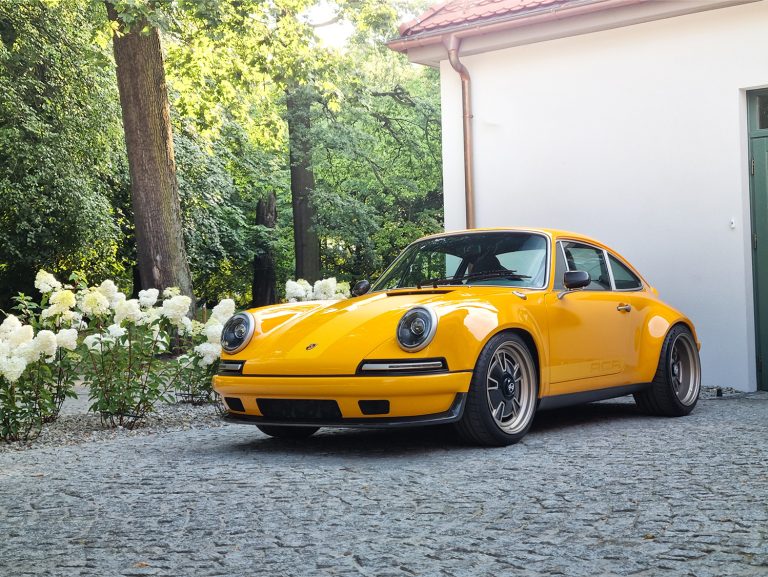
In the automotive world, nostalgia is sometimes misunderstood.
It’s often boiled down to the paint color, chrome, classic lines, or a poster from a child’s bedroom. Of course, that works. Anyone who grew up with the silhouette of a Porsche 911 in their mind knows full well that certain shapes stay with you for years.
But a true restomod isn’t just about recreating the past.
The point isn’t to build a car that’s exactly the same as the one that rolled off the assembly line thirty years ago. That’s what restoration is for. Nor is it about adding a few flashy parts to a classic car and calling it “modern.” That’s what tuning is for.
A restomod starts from a different place.
Starting with the question: What was really important in a classic car?
In the case of the Porsche 911, the answer lies not just in its appearance. It’s the proportions. The driving position. The sound of the engine. The light front end. The character of the rear axle. The mechanical feel. The short delay between the driver’s decision and the car’s response.
It’s these things that create emotion.
But no reasonable person today wants all the limitations of the automotive industry of the past. Drivers say they miss the simplicity and austerity, but in practice they expect precision, reliability, good brakes, predictable suspension, high-quality materials, and a car that’s actually fun to drive.
And that’s hardly surprising.
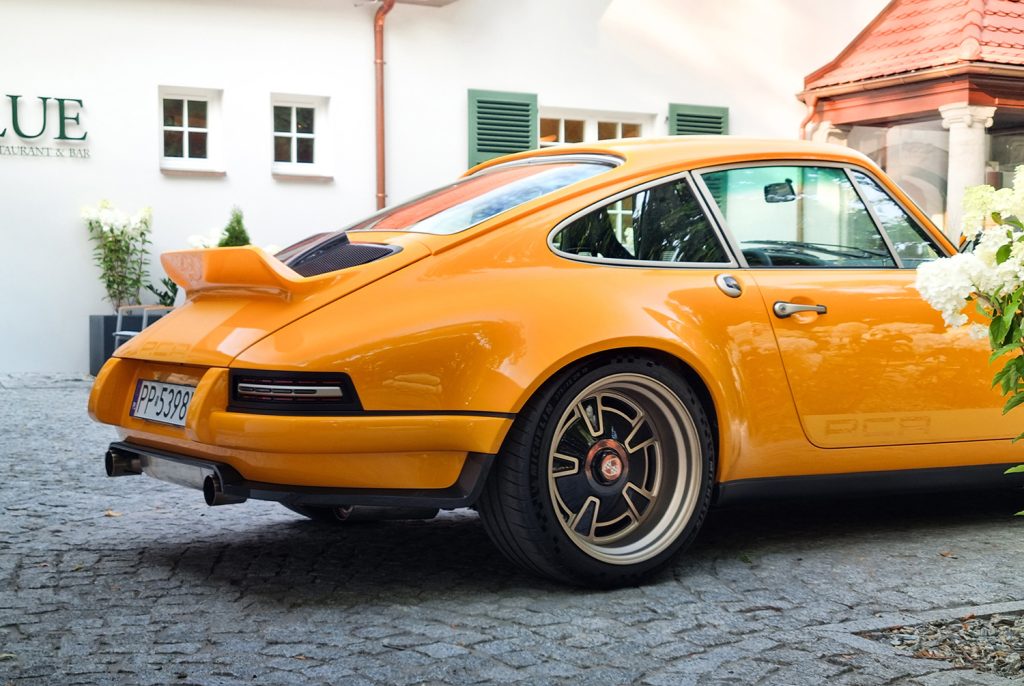
Today’s customer doesn’t want a museum-style throwback to the past. They want a car that looks and sounds like a memory, but drives with the confidence we expect from modern engineering.
This is where the world of RCR begins.
We build our own interpretations of the 964-generation Porsche 911. Not to turn back time, but to distill the essence of the classic 911 and build a car around it that is more refined, precise, and personal.
The classic silhouette remains. The character remains. The analog connection with the machine remains.
The design is changing.
The body can be made from lightweight, modern materials. The interior is built from scratch using genuine leather, metal, fabric, aluminum, and carbon fiber. The mechanical components are selected so that the car not only looks good in photos but, above all, performs well on the road. It brakes, turns, responds, and gives the driver confidence.
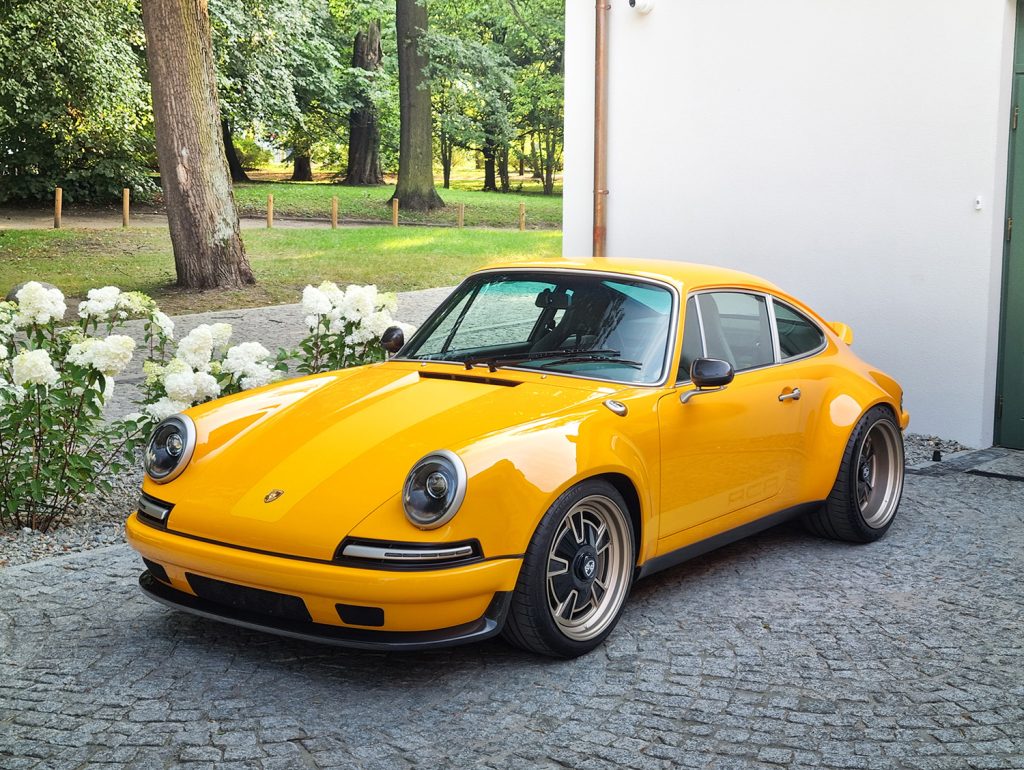
Because the varnish alone isn’t enough.
Color can catch the eye. A detail can hold your attention. But it’s the whole package that determines whether a car makes sense. With restomods, you can’t hide shoddy workmanship behind the model’s history or nostalgia for the brand. People who truly know classic 911s will sense the inauthenticity very quickly.
That is why, at RCR, it is not just what you see that matters.
Fit and finish are important. Weight. The driving position. The materials at your fingertips. The sound when you first start the engine. How the gearshift works. How the car handles in a turn. Whether everything the driver touches has a reason to be there.
A restomod cannot pretend to be from the past.
He has to understand her.
The best modern interpretations of classic cars aren’t mere copies of the old models. They’re an answer to the question of what’s worth carrying forward from that era: the emotions, the proportions, the mechanics, the directness, and the joy of driving.
Without the problems that no one wants to romanticize anymore.
RCR is not an attempt to stop time.
It’s a way to ensure that the classic Porsche 911 remains relevant on the road—today, for drivers who remember why they fell in love with this silhouette but expect quality, precision, and craftsmanship on a contemporary level.
We can’t turn back time.
We choose the best from it.